[et_pb_section admin_label=”section”][et_pb_row admin_label=”row”][et_pb_column type=”4_4″][et_pb_text admin_label=”Text” background_layout=”light” text_orientation=”left” use_border_color=”off” border_color=”#ffffff” border_style=”solid”]
A few weeks ago I was jumping on our trampoline with the grandgirls, when one of them, playing make-believe, announced that she was vowing something. I couldn’t even tell you what it was, nor what pretend game she was playing, but I immediately stopped her, then explained to all of them that they are never to make vows under any circumstances. This is uncommon, and unpopular, but I find it very important, and very scriptural. Most people make vows when they get married—my wife and I did not. If people understood vows, I believe they wouldn’t make them, ever, and believe the reason most people do is because they don’t understand the mechanism of a vow.
To explore this subject we need to look at what a vow is, what it does, and why we shouldn’t make them.
What is a Vow?
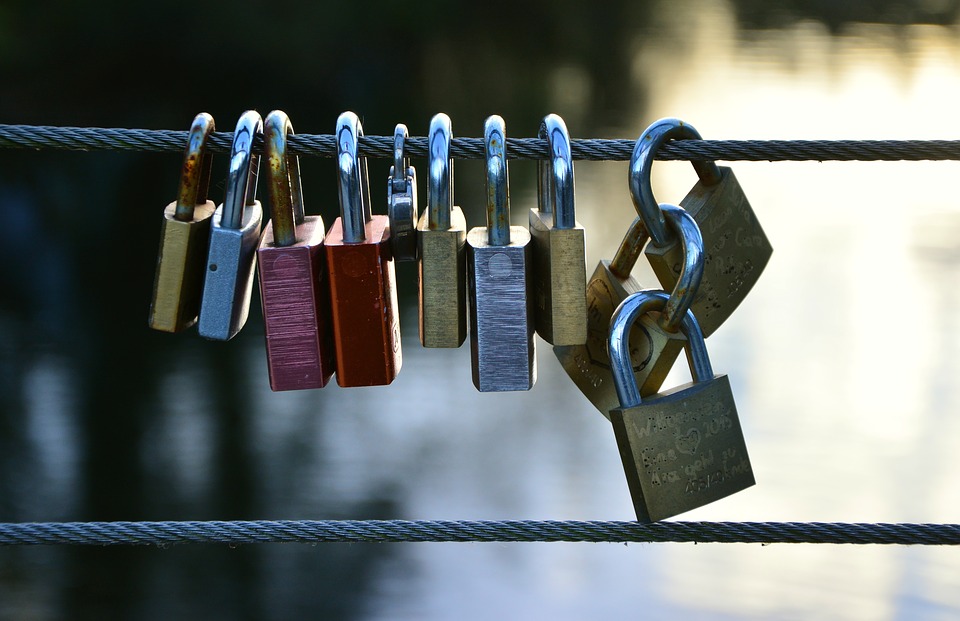
A vow is a promise that carries spiritual weight behind it. It is best understood as a legal contract that requires payment. Vows are agreements to perform some kind of action, and the payment is the action that the vow states one will do.
Numbers 30:2 says, “If a man makes a vow to the LORD, or takes an oath to bind himself with a binding obligation, he shall not violate his word; he shall do according to all that proceeds out of his mouth.”
A vow is a binding obligation that requires one to do everything that he or she has stated in the vow, as it says above. Some other verses related to paying vows are as follows:
Psalm 50:14 “Offer to God a sacrifice of thanksgiving and pay your vows to the Most High;”
Psalm 66:13 “I shall come into Your house with burnt offerings; I shall pay You my vows . . .”
Proverbs 7:14 “I was due to offer peace offerings; Today I have paid my vows.”
What Does A Vow do?
Because a vow is a legal agreement, it carries weight of authority behind it. If the vow is fulfilled, the person is released from it. If not, they reap the consequences of failing to fulfill the terms of the contract.
For this reason Deuteronomy 23:21-23 says, “When you make a vow to the LORD your God, you shall not delay to pay it, for it would be sin in you, and the LORD your God will surely require it of you. However, if you refrain from vowing, it would not be sin in you. You shall be careful to perform what goes out from your lips, just as you have voluntarily vowed to the LORD your God, what you have promised.”
It is important to follow through and keep the vows we make, as they are legally binding in the spirit realm and the laws of the universe are designed to enforce the vows we make. A vow essentially creates a covenant between you and the cosmos, and the spiritual laws of the universe expect you to fulfill that which you have vowed. It is a bit like how nature abhors a vacuum—a vow is a bit like creating a vacuum, and nature expects you to fill it.
Why We Shouldn’t Make Vows
Jesus was very clear when he spoke about vows, as was James.
Matthew 5:33-37 says, “Again, you have heard that it was said to the people long ago, ‘Do not break your oath, but fulfill to the Lord the vows you have made.’ But I tell you, do not swear an oath at all: either by heaven, for it is God’s throne; or by the earth, for it is his footstool; or by Jerusalem, for it is the city of the Great King. And do not swear by your head, for you cannot make even one hair white or black. All you need to say is simply ‘Yes’ or ‘No’; anything beyond this comes from the evil one.”
James 5:12 says, “Above all, my brothers and sisters, do not swear—not by heaven or by earth or by anything else. All you need to say is a simple “Yes” or “No.” Otherwise you will be condemned.”
The reason James exhorts people not to make vows is that when you fail to fulfill the vow, you bring yourself under condemnation because you have broken a spiritual agreement. Jesus explained that we are not to swear oaths or vows for any reason because we don’t have control over making anything happen no matter how hard we try. Thus, if we say something we should simply make an effort to keep our word without creating spiritually binding legal contracts. If we do, we are playing into the plans of the enemy, as they will attempt to prevent us from fulfilling the terms, placing us under condemnation and giving them an easy ability to attack us.
There are some other passages that give us wisdom in regards to vow-making, or rather not making them at all.
Ecclesiastes 5:4-5 says, When you make a vow to God, do not delay to fulfill it. He has no pleasure in fools; fulfill your vow. It is better not to make a vow than to make one and not fulfill it.
Proverbs 20:25 – It is a trap for a man to say rashly, “It is holy!” And after the vows to make inquiry.
Malachi 1:14 “But cursed be the swindler who has a male in his flock and vows it, but sacrifices a blemished animal to the Lord, for I am a great King,” says the LORD of hosts, “and My name is feared among the nations.”
These three verses show us that
1) it is better to not make a vow than to make it and fail it
2) It is foolish to make vows without knowing what you are getting into in advance
3) if you don’t follow through with your vow, you come under a curse.
Conclusion
When we understand that vows are a spiritual contract that legally binds us to either complete the vow or suffer under a curse which opens doors for the enemy to attack us via sin (the sin of breaking the vow), we will understand that making vows is foolishness. The mechanism of a vow is incredibly important. Consider the negative effects that can occur in one’s marriage if you make a vow that you end up breaking somewhere down the line. Will the judgments that the cosmos sends your way due to your actions help or hurt your marriage? How is making that vow actually going to help you be a good spouse if those things aren’t inside your heart already—and if they are inside your heart anyway, do you really need to make a vow?
Jesus and James both instructed people not to make vows for a reason. The simple solution is to not make them, no matter what tradition tells us we should do whether at a wedding or in any other situation. We must become people of integrity who are known for keeping our word. This is evidence of the fruit of the Spirit at work in our lives, and is our responsibility as sons and daughters of God.
How How To Get Free From Past Vows
Most people have already made vows sometime in the past, whether a “pledge” to a group or organization, even harmless ones like the Boy Scouts, or even to a nation. While personally I support my country, I don’t believe in pledges because they are simply a vow by another name. If you have already made vows and want to get free, it is usually fairly simple, and can be done in four easy steps through prayer.
1. Acknowledge that you made a vow
2. State that you repent (which means to change your thinking) from doing so.
3. Break agreement with the vow
4. Decree that the blood of Jesus makes it null and void and releases you from it.
In some cases, such as with Freemasonry, you may feel led by the Spirit to do more specific and in-depth prayer, but in most cases the above four steps should suffice. As with all things, pray as you feel led by God in the moment, and pay attention to other prompts you may feel such as praying over an article of clothing related to that group, or even destroying documents you may have signed your name to in a pledge. (Please note this does not apply to legal documents such as wills, mortgages, and such. I am only referring to those pledges and vows that are to groups and organizations, not legal agreements which are the equivalent of you putting your “yes” down on paper, and which you will need at a later date.)
You might pray this prayer or something similar:
Heavenly Father, I acknowledge that I have made vows to (the group or person you vowed) saying (state the actual promises you made if you can remember. If not, skip this part). I repent for making them, and choose according to your Word to no longer make vows, and let my “yes” stand alone. I break agreement and come out of alignment with those vows, and apply the blood of Jesus to cover and protect me. I decree that the blood of Jesus has already paid every penalty for breaking these vows, and I thank you Jesus for your shed blood that sets me free from every mistake. I receive the forgiveness and freedom that comes from you right now. Amen.
[/et_pb_text][et_pb_code admin_label=”Code”]<script type=”text/javascript” src=”https://app.getresponse.com/view_webform_v2.js?u=B40ZB&webforms_id=6653905″></script>[/et_pb_code][et_pb_comments admin_label=”Comments” show_avatar=”on” show_reply=”on” show_count=”on” background_layout=”light” use_border_color=”off” border_color=”#ffffff” border_style=”solid” custom_button=”off” button_letter_spacing=”0″ button_use_icon=”default” button_icon_placement=”right” button_on_hover=”on” button_letter_spacing_hover=”0″]
[/et_pb_comments][/et_pb_column][/et_pb_row][/et_pb_section]